Bizarre US ends hantavirus outbreak response with no answers on draconian quarantines We still don t know why RFK Jr.
overruled CDC expert to order strict quarantines.
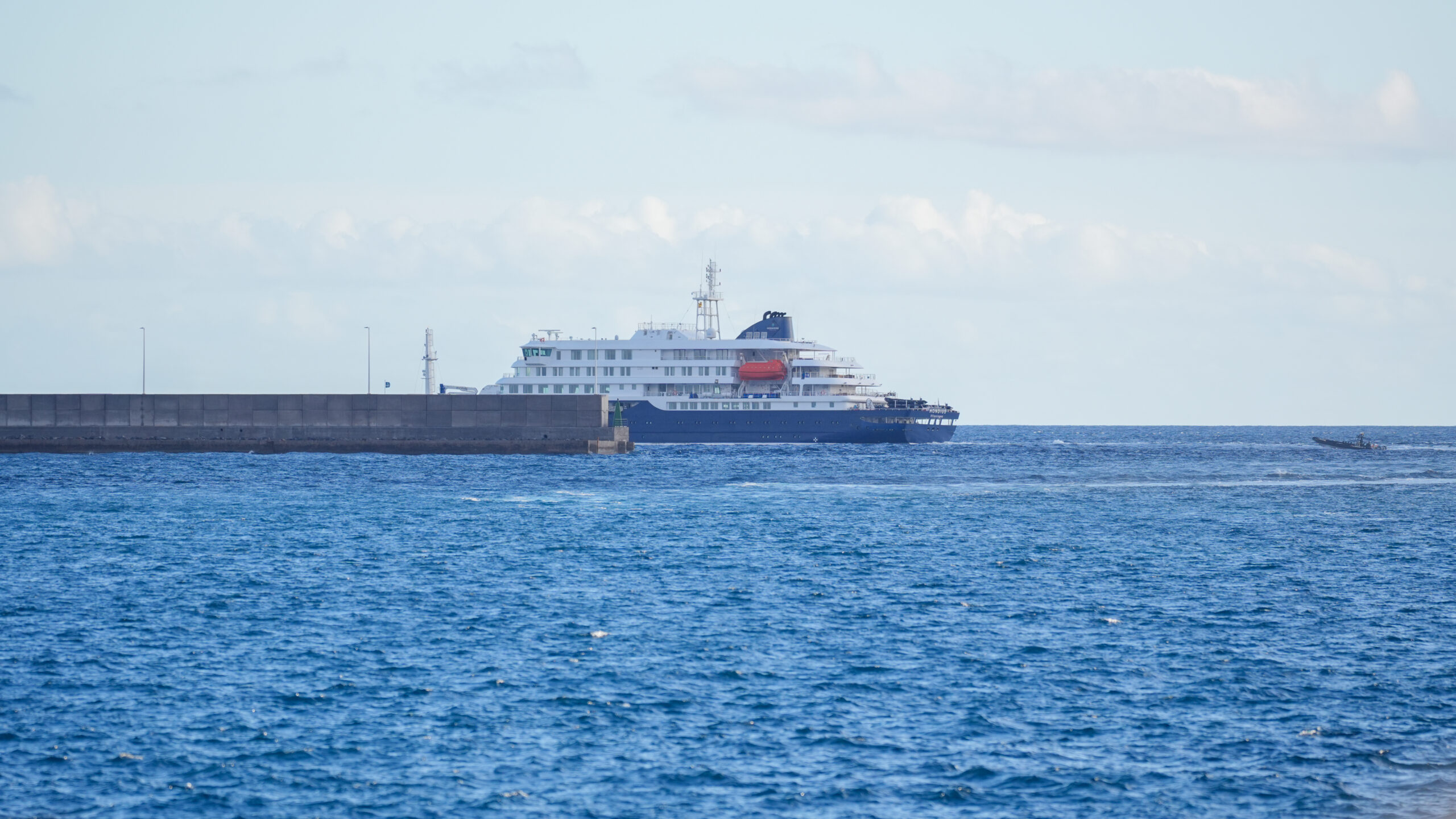
Beth Mole – Jun 24, 2026 5:28 pm | 49 Evacuation by boat of passengers on board the cruise ship MV Hondius anchored near the port of Granadilla, on May 11, 2026 in Granadilla de Abona, Tenerife, Canary Islands, Spain.
Credit: Getty | Europa Press Canarias Evacuation by boat of passengers on board the cruise ship MV Hondius anchored near the port of Granadilla, on May 11, 2026 in Granadilla de Abona, Tenerife, Canary Islands, Spain.
Credit: Getty | Europa Press Canarias Text settings Story text Size Small Standard Large Width * Standard Wide Links Standard Orange * Subscribers only Learn more Minimize to nav The US response to the hantavirus cruise ship outbreak has concluded with no cases among American passengers but plenty of questions on the responses from Trump administration officials.
The US’s response to the outbreak ended on Sunday, June 21, with the final 42-day monitoring period wrapping up for passengers of the virus-stricken cruise ship , MV Hondius.
But without explanation, the Department of Health and Human Services announced the end of the response today, June 24, with a press release dated June 23.
Anti-vaccine Health Secretary Robert F.
touted how HHS acted “swiftly” to respond to the outbreak and credited federal efforts for preventing “sustained transmission of hantavirus… in the United States,” despite no Americans bringing the virus into the country for sustained transmission to be possible.
“The successful conclusion of this response demonstrates the strength of a coordinated response to infectious disease threats that occur outside of our borders,” Jay Bhattacharya added in the press release.
Bhattacharya is acting as the director of the Centers for Disease Control and Prevention despite exceeding the 210-day limit for filling a Senate-confirmed position.
“As a result, we prevented any new cases from arising in the US,” he said.
Soon after the press release was sent out, the CDC held a very short press briefing about the response, during which an official continued to boast of the successful conclusion without directly answering any questions.
Excessive quarantines Significant questions remain about the Trump administration’s use of draconian quarantine orders during the response.
Those orders exceeded those in Chile and Argentina, where the hantavirus in this outbreak (the Andes virus) is endemic.
They also exceed what hantavirus experts recommend and what the CDC’s own expert recommended.
Specifically, hantavirus has only been documented to spread when infected people are showing symptoms.
Based on experiences from Chile and Argentina, where thousands of people have successfully quarantined amid Andes virus outbreaks, remote monitoring with daily symptom and temperature checks is sufficient.
This is also what the World Health Organization has recommended.
Without explanation, Trump officials required potentially exposed, repatriated cruise passengers to either stay in a federal quarantine unit in Nebraska, where they were essentially in strict isolation, or, in some cases, people were allowed to go home if their local health authorities agreed to surveil them 24/7 and do twice daily in-person fever and symptom checks.
Oddly, MV Hondius passengers who returned to the US before the outbreak was identified were not subject to this requirement once they were identified.
Of the 18 people repatriated from MV Hondius , five were allowed to go home before the end of the 42-day quarantine period, with at least four of their home states known to have agreed to the CDC’s strict conditions.
Puzzling orders One other passenger who remained at the Nebraska quarantine unit, Angela Perryman, also wanted to go home.
However, health officials in her home state of Florida refused to accept CDC’s terms, instead suggesting remote monitoring with once-daily symptom and fever checks, which they determined was sufficient.
Trump officials rejected the proposal without explanation and ordered Perryman to stay in Nebraska.
In response, Perryman requested a review of her case in an appeal of the order.
CDC staff expert Michael Bell then reviewed the case, acting as a quarantine medical reviewer.
The report of Bell’s review , which was obtained by Jeremy Faust of Inside Medicine , shows Bell firmly sided with Florida.
“Based on the foregoing, in my professional judgment, I recommend that the Federal Amended Quarantine Order be rescinded to allow Ms.
Perryman to return to her home for the remainder of the 42-day quarantine period, if the Florida Department of Health agrees to accept responsibility for Ms.